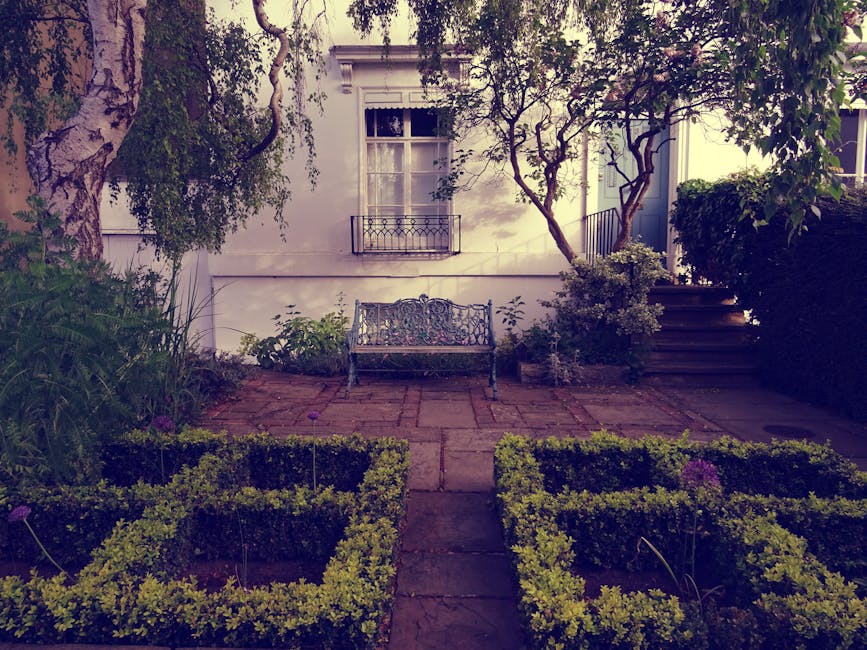
Best gardeners for Berkeley Square terraces and courtyards

If you are looking for the best gardeners for Berkeley Square terraces and courtyards, you are probably dealing with a space that looks small on paper but demands real care in practice. A terrace in Mayfair can be exposed, shaded, overlooked, wind-hit, and very visible all at once. A courtyard, meanwhile, can collect leaf litter, hold damp in awkward corners, and punish any lazy maintenance. In other words: this is not the place for guesswork.
The right gardener understands the balance between elegance and practicality. They know how to keep planting tidy without making it stiff, how to maintain paving and edges without damaging the character of the property, and how to work neatly around residents, concierge schedules, and neighbour sensitivities. This guide breaks down what to look for, how terrace and courtyard garden care works, and which services make the biggest difference in a Berkeley Square setting.
Whether you manage a private home, a townhouse terrace, or a shared courtyard, the aim is the same: a space that feels polished, calm, and easy to enjoy. Let's get into what actually matters, because-truth be told-good garden care in central London is as much about judgement as it is about tools.
Why it matters for Berkeley Square terraces and courtyards
Berkeley Square sits in a part of London where presentation matters. A terrace or courtyard here is not just "outside space"; it is part of the property's first impression, daily comfort, and long-term maintenance profile. A well-kept space can soften hard architecture, frame a view from inside, and make even a modest area feel valuable. A neglected one, by contrast, quickly looks tired. You notice it straight away, especially in the colder months when evergreen structure and clean surfaces do most of the visual work.
The main challenge is that these gardens are often compact and enclosed. That changes everything. Soil can dry out too quickly in summer or stay wet too long in winter. Planting beds may have shallow depths, awkward access, or limited light. Potted plants can look superb, but only if someone keeps an eye on watering, feeding, and drainage. Even paving joints, drainage points, and hidden corners need attention, because clutter and debris build up fast in small spaces.
The best gardeners for this kind of work do not treat it like a standard suburban lawn job. They work with the shape of the property, not against it. They think about sightlines from windows, sound from tools, and how to keep the work discreet. In a terrace or courtyard, a noisy, messy visit can feel intrusive. A well-run one feels almost invisible.
How terrace and courtyard garden care works
Good garden care in this setting starts with a proper assessment. That sounds obvious, but it is where many rushed jobs go wrong. A capable gardener will first look at access, light levels, planting condition, water flow, paving condition, and how the garden is actually used. Is it a place for morning coffee? A private retreat? A formal view from reception rooms? The answer changes the maintenance plan.
From there, the work usually breaks into a few strands. Regular maintenance may include pruning, deadheading, edging, weeding, leaf clearance, feeding, and container care. If there is lawn, even a small strip, it needs the right mowing schedule and tidy finishing. If the space includes climbers or hedging, they will need careful shaping, not heavy-handed cutting. For more involved changes, a gardener may recommend landscape gardening or broader landscaping support to improve structure, drainage, or layout.
In practical terms, the process often looks like this:
- Inspect the space and identify what is healthy, struggling, or unsafe.
- Agree the priority tasks for the visit or season.
- Carry out tidy-up work first, then finer detail work.
- Handle waste removal and green disposal responsibly.
- Review what needs follow-up, especially watering or seasonal changes.
That last step matters more than people think. A courtyard can look perfect on the day and then slip again if no one is tracking watering, pruning timing, or leaf drop. A good gardener helps you avoid that rollercoaster.
If you need a more consistent plan, it is worth reviewing garden maintenance options so the space stays on top of itself rather than being rescued repeatedly. There is a big difference between upkeep and firefighting.
Key benefits and practical advantages
The benefits are not just visual, although that is usually the first thing people notice. A well-managed terrace or courtyard can make a property feel larger, calmer, and more intentional. It can also reduce the amount of emergency tidy-up work before guests, events, or property viewings. In a place like Berkeley Square, that is a real advantage.
- Better appearance: crisp edges, clean paving, well-shaped planting, and fewer tired corners.
- Less stress: no last-minute panic when the garden suddenly looks rough.
- Healthier plants: regular pruning, feeding, and watering keep plants stronger for longer.
- Safer surfaces: moss, leaf build-up, and slippery debris can be managed before they become a nuisance.
- More usable space: you are more likely to actually sit out and enjoy it.
- Better long-term value: small issues are caught early, which often prevents larger repairs.
There is also a subtle but important benefit: consistency. A courtyard that is checked regularly looks "settled". It feels lived in, cared for, and coherent. That feeling is hard to fake with one-off visits. It comes from steady attention and a clear plan.
For properties with hard landscaping elements, it can also help to coordinate with decking services or related surface care where timber or composite features need to sit neatly alongside planting. The best results usually come when all the elements work together instead of each part being handled in isolation.
Who this is for and when it makes sense
This kind of gardening support is ideal for homeowners, landlords, property managers, and concierges who need a polished outdoor space without the hassle of constant oversight. It is especially useful if your terrace or courtyard has limited access, decorative planting, or a formal layout that needs careful handling rather than rough-and-ready maintenance.
You may need specialist help if:
- the space is small but high-profile;
- plants keep failing because of shade, wind, or drainage;
- paving is gathering moss or dirt too quickly;
- climbing plants or hedges are getting out of shape;
- you need discreet visits with minimal disruption;
- the garden is being restored after a period of neglect;
- you want the garden to look good year-round, not just in spring.
It also makes sense if you simply do not want to spend your weekends trimming, sweeping, and re-potting. Some people enjoy that. Many do not. To be fair, there is no virtue in pretending you love deadheading when you would rather be inside with a proper cup of tea.
In spaces where overgrowth is causing access issues or plants have become unmanageable, a tidy-up may need garden clearance before regular upkeep can begin. That is often the cleanest way to reset a courtyard and make future maintenance easier.
Step-by-step guidance
If you are choosing gardeners for a Berkeley Square terrace or courtyard, the simplest way to think about it is: assess, prioritise, tidy, refine, maintain. That sequence keeps the work focused and avoids unnecessary disruption.
1. Start with the access and layout
Ask how the team will reach the garden, where tools and waste will go, and how they will protect interior finishes, paving, and furniture. Narrow access changes the whole job. A good gardener will not shrug this off.
2. Identify the core issues
Look for what is actually causing the space to feel neglected. Is it weeds in the paving? Lopsided shrubs? Overwatered containers? Thin lawn? A few areas may be carrying most of the visual damage. Fix those first.
3. Decide what is maintenance and what is improvement
This is a useful distinction. Maintenance keeps the space healthy and tidy. Improvement changes the space structurally or visually. If the layout is awkward, if screening is poor, or if the planting scheme no longer works, you may need more than routine visits. That is where a broader design conversation helps.
4. Build a season-aware plan
Courtyard and terrace gardens change across the year. Spring asks for shaping, feeding, and revival. Summer usually means watering discipline and tidy growth control. Autumn is leaf management and cut-back time. Winter is about structure, evergreen presence, and avoiding damage in cold, wet conditions. The plan should reflect that reality, not fight it.
5. Confirm waste handling and finish quality
Neat disposal is part of the job. So is the finish. Edges should be clean, surfaces swept, pots reset, and anything moved put back properly. It sounds basic, but you would be surprised how often the final 10% is rushed. That's the bit people remember.
If a service includes shrubs, hedges, or boundary planting, hedge trimming can be essential for keeping the garden crisp without letting it feel over-clipped. Likewise, lawns need a different approach, so any grassy area should be handled through proper lawn mowing rather than general tidying.
Expert tips for better results
In compact London gardens, small decisions have outsized effects. A slightly wrong pot size, a poor plant choice, or a missed drainage issue can change the whole feel of the space. Here are the details that make a big difference.
- Choose structure first: evergreen shapes, clipped forms, and reliable planting give a courtyard backbone even in winter.
- Use the right scale: oversized plants can overwhelm a small terrace, while tiny plants can disappear completely.
- Think in layers: ground level, eye level, and vertical planting all matter in enclosed spaces.
- Respect microclimates: one corner may be hot and dry while another stays damp and shaded.
- Keep containers under review: pots need different feeding and watering patterns than border plants.
- Don't over-fuss the finish: a courtyard should look sharp, yes, but not sterile. A little softness is often what makes it inviting.
A practical note from real-world work: if you can hear the garden from inside more than you can see it, then noise management matters. Cordless tools, well-timed visits, and tidy movement through the space can make a big difference. That kind of consideration is easy to miss on paper, but in a townhouse or terrace it changes the whole experience.
For more involved outdoor changes, it can be helpful to understand how broader services overview options fit together, especially where maintenance, planting, and layout improvements overlap. Not every garden needs a redesign, but some do. Better to be honest about that early.
Common mistakes to avoid
People often think small gardens are easier. Sometimes they are. But they also magnify mistakes, which is annoying, really. A single patch of weeds looks bigger in a courtyard than it does in a larger garden, and a badly placed plant can block a whole view.
- Choosing gardeners who treat it like a general lawn job: terraces and courtyards need finesse.
- Ignoring drainage: standing water, damp paving, and root stress can build up quietly.
- Overplanting: too many plants can make a compact garden feel cramped and harder to maintain.
- Underestimating access: narrow stairs, shared entrances, and delicate surfaces require care.
- Letting dead growth linger: it drags the whole space down fast.
- Not planning seasonal work: gardens rarely stay neat by accident for long.
Another common issue is mixing quick fixes with long-term hopes. For example, you might ask for a simple tidy-up when what you really need is a reset, a change in planting style, or a maintenance routine that suits the property. That's normal. The job of a good gardener is to help you see the difference without overcomplicating it.
And please, if your courtyard has become a small jungle after months of neglect, don't feel bad. It happens. You are not the first person to say, "it was only supposed to be a quick check."
Tools, resources and recommendations
The right tools matter, but the right judgement matters more. Still, there are a few essentials that separate neat, efficient work from clumsy work.
- Precision pruners and secateurs: for clean cuts on smaller stems and stems that need shaping.
- Compact hedge tools: useful where shrubs and boundary planting need careful control.
- Leaf and debris management equipment: essential for enclosed spaces where litter builds fast.
- Pot and soil care kit: for feeding, repotting, and keeping containers healthy.
- Surface cleaning tools: to keep paving, steps, and access routes tidy without damage.
- Waste handling gear: bags, bins, and collection methods that keep the site respectful and efficient.
For some properties, especially those with mature planting or heavily overgrown corners, tree lopping and removal may be part of a wider solution. That should always be approached carefully and only where it is genuinely justified. In small enclosed spaces, light and canopy balance can matter a lot, but heavy pruning or removal should be considered with caution and proper planning.
If you are comparing providers, the most helpful things to ask are simple:
- How do you approach small, high-value gardens differently?
- Can you handle both maintenance and improvement work?
- How do you manage waste, access, and disruption?
- What happens if the space needs a more structural fix?
- How do you keep work safe and tidy in a shared or sensitive environment?
On the service side, it is also sensible to review pricing and quotes so you understand how work is usually scoped and what affects the cost. Clear quoting is a good sign. Vague quoting is not.
Law, compliance, standards, and best practice
Garden work in central London is not usually complicated from a legal standpoint, but it still needs care, common sense, and a professional approach. Access routes, manual handling, waste removal, working at height, and tool safety all matter. If a company is handling potentially risky tasks, you want them to have sensible procedures and appropriate insurance in place.
Best practice generally includes:
- protecting surfaces and access points during work;
- using safe methods for pruning, lifting, and disposal;
- handling green waste responsibly;
- communicating clearly before and after visits;
- being careful around residents, guests, staff, and neighbours;
- using proportionate methods for small, delicate spaces.
Where there is concern about safety, access, or liability, it is reasonable to ask how the contractor handles these issues. A reputable provider should be able to explain its approach in plain English. If that conversation feels slippery or vague, that is worth paying attention to.
You may also want to understand the company's approach to insurance and safety before work begins. And if sustainability matters to you-which for many Berkeley Square properties it increasingly does-it is worth seeing how waste and materials are handled, including any recycling approach described under recycling and sustainability.
It is also sensible to review the company's service terms and policies. That may sound dull, but it avoids headaches later. A quick look at terms and conditions and about us can tell you a lot about how seriously a provider takes accountability, communication, and customer care.
Options, methods, and comparison table
Not every terrace or courtyard needs the same level of service. Some only need regular light maintenance. Others need a mix of pruning, planting correction, hard surface cleaning, and occasional improvement work. Here is a practical comparison to help you think it through.
| Approach | Best for | Strengths | Limitations |
|---|---|---|---|
| Routine maintenance visits | Well-kept terraces and courtyards that need consistent care | Reliable, tidy, predictable | May not fix deeper layout or planting issues |
| Seasonal tidy-and-reset | Spaces that drift over time or need a refresh | Good for spring and autumn clean-ups | Not enough on its own for ongoing care |
| Maintenance plus planting review | Gardens with failing pots, uneven growth, or weak structure | Improves health and visual balance | Takes more planning and a clearer brief |
| Full landscape-led improvement | Courtyards with drainage, layout, or screening issues | Can transform how the space works | More involved and usually needs careful scoping |
The best option is usually the simplest one that actually solves the problem. If a terrace only needs light weekly or fortnightly care, do not overcomplicate it. If the planting is failing because the design itself is wrong, routine work alone will never quite catch up. That's the honest answer.
Case study or real-world example
Imagine a small Berkeley Square courtyard used by a townhouse owner who entertains regularly. From the main rooms, the space is visible almost all the time. On a sunny day, the plants look fine. But after a spell of rain and a windy week, the paving is marked, the edge planting is untidy, and the containers are looking uneven. Nothing is "wrong" in a dramatic sense, but the whole place feels a bit off.
The first visit focuses on reset work: clearing debris, removing spent growth, lifting the plants that have failed, and tidying the hard edges. The second step is more thoughtful. The gardener reassesses which plants suit the light and which pots are too small for the roots they are carrying. A couple of boundary shrubs are trimmed back to restore shape without flattening them. A small patch of lawn, if present, is cut properly rather than just buzzed over. The garden starts to breathe again.
What changes most is not just appearance, but ease. The owner no longer feels they need to "check the garden" every time guests are expected. The space becomes background support instead of background stress. That is the real win, honestly. A good terrace or courtyard should feel like a calm extension of the home, not another chore waiting at the back door.
Practical checklist
Use this checklist when assessing gardeners or planning work for a Berkeley Square terrace or courtyard:
- Does the gardener understand compact, high-visibility London spaces?
- Can they explain how they will handle access and protect surfaces?
- Do they offer both routine upkeep and more detailed improvement work?
- Will they tailor the plan to shade, wind, drainage, and container planting?
- Can they manage pruning, edging, leaf removal, and lawn care neatly?
- Do they discuss waste disposal and sustainability clearly?
- Are safety and insurance explained in plain language?
- Is the quote clear about scope, timing, and repeat visits?
- Do they seem to care about finish quality, not just getting through the job?
- Will they help you keep the garden looking good between visits?
If you can tick most of those off, you are usually in strong territory. If not, keep asking questions. A polished courtyard deserves a thoughtful approach, not guesswork.
Conclusion
The best gardeners for Berkeley Square terraces and courtyards are the ones who understand restraint, detail, and consistency. They know that a small outdoor space can carry a lot of visual weight and that every edge, pot, and planting choice matters. They also know how to keep things practical, safe, and manageable without turning the garden into a production.
When you choose carefully, the results are not dramatic in a flashy way. They are better than that. The space feels settled. The planting makes sense. The paving looks cared for. And most importantly, the garden becomes something you actually enjoy using, not just something you keep meaning to fix.
If you are at the point where the courtyard needs a reset, a better routine, or a more considered plan, speaking to a specialist team is a sensible next step. A short conversation now can save a lot of patchwork later, and that is usually where the real value is.
Get a free quote today and see how much you can save.
Small spaces can be the most rewarding ones when they are looked after properly. A quiet courtyard, well kept, can change the feel of a whole home.
Frequently Asked Questions
What makes a gardener suitable for Berkeley Square terraces and courtyards?
They should understand compact, high-end outdoor spaces, work neatly, and know how to manage planting, paving, and access without causing disruption. Experience with small London gardens really helps.
How often should a terrace or courtyard be maintained?
That depends on planting density, season, and how visible the space is. Many properties benefit from regular visits rather than occasional big tidy-ups, especially where the garden is seen from main living areas.
Can gardeners help if the courtyard has become overgrown?
Yes. A proper reset may begin with garden clearance, followed by a maintenance plan so the problem does not creep back in again two months later.
Do small London courtyards need landscaping, or just maintenance?
Some only need upkeep, but others have layout, drainage, or planting issues that maintenance alone will not fix. In those cases, a more considered landscape gardening approach may be appropriate.
What should I ask before booking a gardener?
Ask about access, waste handling, insurance, seasonal care, and whether they can handle both routine maintenance and improvement work. Clear answers are usually a good sign.
Are hedge and shrub cuts different in courtyards?
Yes. In enclosed spaces, cutting needs to be controlled and proportionate. Overcutting can make the space look stark, while undercutting can quickly make it feel crowded. Careful hedge trimming helps keep balance.
What if my terrace has a small lawn area?
Even a small lawn needs proper attention. It should be cut cleanly and at the right time, not hacked down quickly. Proper lawn mowing keeps the surface neat and healthier over time.
How do I know whether a gardener is working safely?
They should explain how they protect surfaces, move materials, handle tools, and manage waste. If safety questions are brushed off, that is not ideal. You can also review their insurance and safety information.
Is sustainability relevant for small courtyard gardens?
Yes, especially when waste, watering, and material choices are considered. Good recycling and sustainability practices can reduce waste and make maintenance more sensible long term.
How do I compare quotes fairly?
Compare like for like. Check what is included, how often visits happen, whether clearance is included, and whether the quote covers follow-up work. The cheapest option is not always the best value, especially in a property where finish quality matters.
Can one team handle both regular maintenance and bigger improvements?
Often, yes. That is usually the most efficient setup because the same team understands the property, the planting, and the finish standards over time. It keeps communication simpler too.
What is the most common reason courtyard gardens look tired?
Usually it is a mix of missed maintenance, poor seasonal planning, and plants that no longer suit the space. The good news is that this is often fixable with a proper reset and a realistic routine afterward.
How do I get started if I am not sure what the garden needs?
Start with an assessment. A good provider should be able to tell you whether the space mainly needs upkeep, a tidy reset, or a broader improvement plan. If you are unsure, ask for a clear breakdown before work begins.
For background on the team and how they work, you can also look at the company's about us page, and if you are ready to make a practical next step, use the contact us page to start the conversation.