Recycling and Sustainability at Gardeners Mayfair
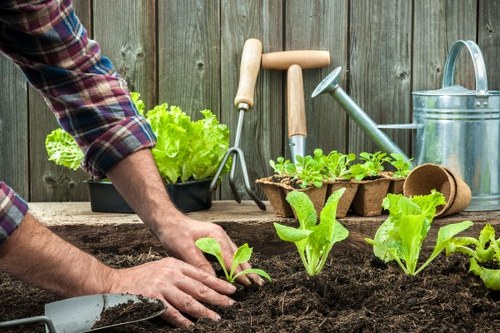 Gardeners Mayfair is committed to creating an eco-friendly waste disposal area and embedding sustainable rubbish gardening practices across all green spaces we manage. Our approach combines careful on-site segregation, reuse of materials, and partnerships that expand the lifespan of plants, soil and containers. By designing a clear, practical plan for garden waste, we reduce landfill dependency and turn discarded organic matter into value: compost, mulch and reclaimed materials for future projects.
We set ambitious targets to measure progress. Our core recycling percentage target is 75% diversion from landfill by 2030, with an interim goal of 60% by 2026. These numbers cover all operational waste streams: green waste, soil and turf, timber and plant pots, inert rubble from landscaping, and small amounts of mixed recyclables. Regular audits, waste tracking and seasonal reporting help ensure the targets are realistic and continuously improved.
Our sustainable rubbish gardening model
Our sustainable rubbish gardening area prioritises source separation. We mirror the boroughs' approach to waste separation — for example, the City of Westminster and neighbouring boroughs emphasise separate collections for food waste, garden waste and dry recycling — by maintaining dedicated containers for:
- Green garden cuttings for compost and mulch
- Wood and branches for chipping and biomass
- Soil and turf for screening, remediation and reuse on-site
- Plastics and pots sorted for reuse or specialist recycling
Local transfer stations and materials processing
We work with local transfer stations and material recovery facilities (MRFs) across West London and within borough networks to ensure material flows are efficient and transparent. These transfer stations accept segregated green waste and organics and route suitable streams to certified composting and anaerobic digestion facilities. Where local borough infrastructure allows, we prioritise MRFs that provide traceable outputs and a clear route back into landscaping supply chains.

Partnerships with charities and reuse organisations
Re-use is central to our sustainability plan. We partner with local charities, community allotments and social enterprises to donate healthy plants, surplus soil and reusable containers. These partnerships extend the life of planting materials and support community-led green spaces. We also collaborate with local repair collectives for tools and small equipment to reduce procurement of new items and to encourage circular use of gardening resources.
In addition to direct donations, our teams help coordinate community composting hubs and share best practice on low-waste cultivation, pot pooling schemes and seasonal exchanges that align with borough programmes. This networked approach amplifies resource reuse beyond our sites.

Low-carbon transport and logistics
To lower transport emissions we operate a fleet of low-carbon vans and small vehicles: a mix of fully electric vans, plug-in hybrids and efficient route-optimised vehicles. Vehicles are charged using renewable energy tariffs where possible and routed to reduce mileage and idling. We track fleet emissions and set an internal target of 50% low-emission vehicle usage by 2026, moving toward a fully electric fleet as charging infrastructure and vehicle payloads evolve.
Operationally, we pair low-carbon delivery with consolidated loads to local transfer stations and schedule off-peak movements to reduce congestion and idling. These logistics improvements are part of a broader commitment to an eco-efficient green waste disposal area that minimises carbon intensity per tonne of material handled.
 On-site composting and circular landscape practices
Where space permits we run secure on-site composting bays and windrows that convert green cuttings and plant debris into high-quality compost for our projects. Wood chippings are reused as mulch to improve soil health and reduce water loss, while inert materials are screened and reused where safe. These actions reinforce a practical, local circular economy: less off-site handling, fewer transport emissions and nutrient cycling back into the soil.
Staff training is essential: every operative receives instruction in waste segregation, safe composting, and low-carbon route planning. Data drives improvement — monthly waste reports, recycling KPIs and quarterly reviews enable us to measure progress against the recycling percentage target and adjust practices to meet borough guidance and environmental best practice.
Gardeners Mayfair believes that creating a resilient, sustainable waste system in the landscape sector requires attention to detail and collaboration. By combining an eco-friendly waste disposal area, targeted partnerships with charities and low-carbon transport, we deliver greener outcomes for gardens and the wider community while steadily increasing our recycling rates and reducing the carbon footprint of urban landscaping.

