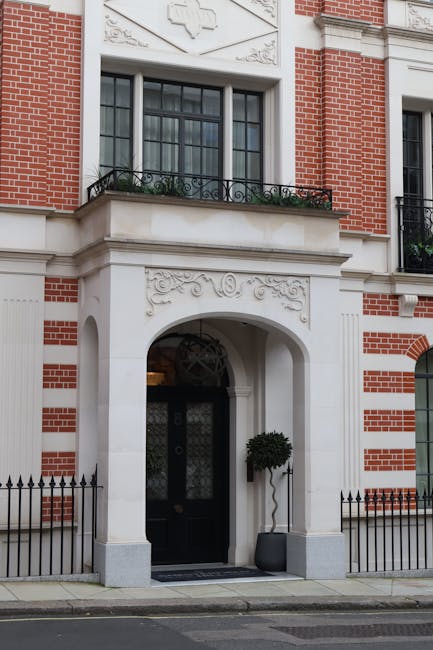
Garden maintenance W1J W1K guide for Mayfair flats
If you live in a Mayfair flat, you already know the little green spaces can be both a joy and a headache. A balcony planter that looked cheerful in April can look tired by May. A communal courtyard can go from elegant to unruly in what feels like a single wet week. This Garden maintenance W1J W1K guide for Mayfair flats is here to make the whole thing simpler: what maintenance actually means, how it works in a flat setting, what to prioritise, and where professional help can make a real difference. Truth be told, with the right routine, even a compact space can stay polished, healthy, and surprisingly low-stress.
Whether you manage a private terrace, a roof garden, or a shared courtyard, the practical issues are often the same: drainage, plant health, access, waste removal, and keeping everything neat without causing disruption to neighbours. And yes, the nice part is that you do not need a huge garden to need proper garden care. Sometimes the smallest spaces need the most attention.
For readers exploring wider support, it can also help to understand the full range of garden services available in Mayfair, especially if your space needs more than a quick tidy-up.
Table of Contents
- Why Garden maintenance W1J W1K guide for Mayfair flats Matters
- How Garden maintenance W1J W1K guide for Mayfair flats Works
- Key Benefits and Practical Advantages
- Who This Is For and When It Makes Sense
- Step-by-Step Guidance
- Expert Tips for Better Results
- Common Mistakes to Avoid
- Tools, Resources and Recommendations
- Law, Compliance, Standards, or Best Practice
- Options, Methods, or Comparison Table
- Case Study or Real-World Example
- Practical Checklist
- Conclusion
- Frequently Asked Questions
Why Garden maintenance W1J W1K guide for Mayfair flats Matters
Mayfair flats tend to have outdoor spaces that are valuable in a very specific way. They are not sprawling lawns or country plots. They are neat, visible, often architecturally framed spaces where presentation matters as much as plant health. A shallow planter that holds water badly, a hedge that gets leggy, or a terrace floor covered in leaf litter can make the whole property feel less cared for. That is the reality.
Garden maintenance in W1J and W1K matters because these spaces are exposed to a few pressures at once. You have wind funnelling between buildings, shade from surrounding architecture, varying levels of sunlight, and limited room for storage, composting, and heavy equipment. Add busy schedules and service access restrictions, and it is easy for small problems to build up quickly.
There is also the neighbour factor. In flat living, a messy maintenance job can feel intrusive if it is poorly timed or noisy. A quick trim is one thing; a whole morning of leaf-blowing outside a bedroom window at 7:30 am is another. So the value of a sensible maintenance plan is not just appearance. It is calm, order, and being a considerate part of the building.
Practical takeaway: in Mayfair flats, good garden maintenance is less about "keeping up with the lawn" and more about protecting presentation, drainage, plant health, and neighbourly peace.
How Garden maintenance W1J W1K guide for Mayfair flats Works
At its simplest, flat garden maintenance is a repeating process of inspection, light clean-up, targeted plant care, and seasonal adjustments. For a private terrace, that may mean pruning, feeding, watering, sweeping, and checking pots for frost or drought damage. For communal spaces, it often includes edging, hedge trimming, lawn mowing where relevant, pressure-free tidying, waste collection, and making sure the space stays usable.
The work usually starts with a site review. What is actually there? Containers, shrubs, climbers, turf, decking, paved areas, irrigation, lighting, and any access issues all shape the plan. Then comes a routine. A weekly or fortnightly visit may suit high-use spaces, while a monthly schedule may be enough for slower-growing planting. Seasonal work sits on top of that: spring tidy-ups, summer watering support, autumn leaf clearance, and winter protection.
If the outdoor area has become heavily overgrown or cluttered, a one-off reset can be useful before regular maintenance begins. In those cases, services such as garden clearance are often the cleanest starting point. Once the space is back under control, maintenance becomes much easier and frankly much less expensive in the long run.
It also helps to separate "maintenance" from "improvement". Maintenance keeps things healthy and presentable. Improvement means redesigning, replanting, or changing structure. If your terrace needs both, you may be looking beyond routine care into something broader, such as landscape gardening or landscaping. That distinction saves a lot of confusion.
Key Benefits and Practical Advantages
Well-run garden maintenance gives Mayfair flats a few clear advantages, and they are not minor ones.
- Better first impressions: In a premium area, a tidy terrace or courtyard complements the property rather than distracting from it.
- Healthier plants: Regular pruning, feeding, watering, and deadheading prevent problems from becoming expensive replacements.
- Safer surfaces: Clean paving, cleared drains, and controlled growth reduce slips, blockages, and the odd unpleasant surprise underfoot.
- Less disruption: Planned visits are easier on residents, neighbours, and building staff than emergency clean-ups.
- Lower long-term cost: Small, regular jobs usually cost less than big recovery work after months of neglect.
- More usable space: A balcony or roof terrace feels larger and more relaxing when it is neat and well cared for.
There is another practical benefit that gets overlooked: confidence. When a flat owner or managing agent knows the outdoor area is being looked after properly, they spend less time worrying about what might be going wrong out there after a rainy week. That peace of mind is worth something.
For larger or shared areas, the maintenance plan can also be paired with related services like lawn mowing where turf is present, or hedge trimming where privacy planting needs shaping rather than full replacement.
Who This Is For and When It Makes Sense
This guide is relevant for anyone responsible for an outdoor space attached to a flat in W1J or W1K. That includes private owners, tenants with permission to manage planters or terrace planting, landlords, property managers, block managers, concierge teams, and letting agents who need the space to stay presentable between tenancies.
It makes the most sense if one of these situations sounds familiar:
- your terrace or courtyard looks tidy one month and messy the next
- plants keep dying because watering or drainage is inconsistent
- leaf litter, bird mess, or debris keeps building up
- the building wants a discreet, reliable routine rather than occasional panic jobs
- you have a high-end rental or sale property where presentation matters
- the space is too small for a traditional "do it yourself every weekend" approach
Not every flat needs the same service level. A one-bedroom apartment with a handful of pots is a very different job from a mansion block roof garden with shrubs, climbers, and seating areas. That sounds obvious, but in practice people often overbuy or underbuy maintenance. Either they book too little and the space declines, or they book too much and spend money where no one would actually notice the difference.
If you are comparing options and want a sense of how different service lines fit together, it is worth browsing the broader services overview alongside any garden maintenance plan.
Step-by-Step Guidance
Here is a practical way to manage a Mayfair flat garden without making life harder than it needs to be.
1. Start with a proper walkthrough
Look at the space in daylight and note what is actually present: containers, irrigation, moss, weeds, dead foliage, overgrowth, damaged pots, stained paving, or blocked drains. A quick scan in the early morning can show problems that are easy to miss later in the day.
2. Separate urgent issues from cosmetic ones
A plant that is drying out is urgent. A slightly untidy edge is cosmetic. A blocked drain is urgent. A few fallen petals are not. This sounds basic, but it keeps budgets sensible and helps work get prioritised in the right order.
3. Decide the maintenance frequency
For some flats, a fortnightly visit is enough. For roof terraces and busy communal spaces, weekly care may be better during peak growing months. The right rhythm depends on sunlight, planting style, and how visible the area is. Mayfair does not reward guesswork, to be fair.
4. Build the seasonal tasks into the routine
Spring often needs feeding, pruning, new planting, and early weed control. Summer needs watering discipline and regular deadheading. Autumn brings leaf clearance and cutbacks. Winter is about protection, checking pots, and avoiding waterlogging. The seasonal layer matters because London weather is quite good at changing its mind.
5. Decide what the residents will handle and what gets outsourced
Some people are happy watering a few pots. Very few are happy hauling green waste down several flights of stairs. Be honest here. If maintenance becomes a chore people resent, the whole system falls apart. A sensible division of labour keeps things running.
6. Record what was done
A short maintenance log helps a lot. It can be simple: what was trimmed, what was fed, which plants were replaced, and any issues that need follow-up. For managed buildings, this is especially useful when there are multiple decision-makers.
7. Review every few months
Some planting schemes need adjusting after a season or two. If a sunny terrace is becoming too dry, or a shaded courtyard is getting mildew-prone, the planting mix may need changing. Good maintenance is not stubborn. It adapts.
Expert Tips for Better Results
Here is the honest version: the best-maintained flat gardens are rarely the ones with the rarest plants. They are the ones with the right plants in the right places, cared for on a realistic schedule.
Choose containers with drainage that actually works. Sounds obvious, yet a surprising number of problems begin with water sitting in the bottom of a pot. If drainage holes are blocked or the compost has compacted, roots suffer fast.
Use planting that suits the microclimate. Roof terraces are often windier and drier than ground-level courtyards. Shaded spaces need different plants from those exposed to full afternoon sun. Not every pretty plant is a good fit, and that is perfectly fine.
Keep a little spare time in the schedule. One missed visit in a robust planting scheme may not matter. Three missed visits in summer absolutely can. Maintenance plans should have a bit of breathing room, because life happens.
Be discreet with tools and waste handling. In apartment buildings, neatness matters beyond the garden itself. Bags, trimmings, wet soil, and noisy equipment all affect how the job is perceived.
Don't treat hard landscaping as an afterthought. Paving, decking, raised beds, and timber edging often need cleaning and inspection too. If your space includes a decked area, regular care may involve decking services rather than plant work alone.
One small but useful habit: check the same three things every visit - water, growth, and debris. Water enough, cut only what needs cutting, and remove what should not be there. Simple. Not glamorous, but it works.
Common Mistakes to Avoid
People usually do not ruin flat gardens with one dramatic error. They wear them down slowly with small ones.
- Overwatering in shaded spaces: Less sun means slower drying. Pots can stay wet longer than expected.
- Letting pruning drift: A delayed trim can quickly become a shape issue, then a health issue.
- Ignoring access limitations: If maintenance crews cannot move safely and freely, the job takes longer and costs more.
- Using the wrong plants for the spot: Beautiful on paper, unhappy in reality.
- Forgetting waste removal: Clippings and soil bags have to go somewhere, and they can't just vanish. Shame, really.
- Setting a maintenance schedule that is too ambitious: A plan no one can keep is just decoration.
- Skipping inspections for pests or disease: Catching issues early is much easier than replacing mature planting later.
Another common mistake is trying to solve every problem with more chemicals or more water. Usually, the answer is cleaner habits, better timing, and a bit of judgement. A little restraint goes a long way.
Tools, Resources and Recommendations
For compact garden spaces, a small but sensible toolkit is better than a cupboard full of things you rarely use. The basics usually include hand pruners, gloves, a watering can or hose solution suited to the building, a stiff hand brush, a lightweight rake, and bags or bins for green waste. For larger terraces or shared spaces, a professional team may also use battery-powered trimming equipment, blowers where appropriate, and specialist cleaning tools for hard surfaces.
If the space includes a lot of boundary growth, climbers, or screening planting, regular trimming is often easier than letting things run wild and then doing a huge reset. That is where hedge trimming becomes more than just a cosmetic job. It keeps growth controlled, preserves shape, and reduces awkward encroachment onto neighbouring areas.
For problem trees, overhanging branches, or safety concerns, the right response is not guesswork. In those situations, a service such as tree lopping and removal may be appropriate, especially where branches affect light, access, or rooflines. This should always be approached carefully and by someone who understands the risk.
You may also want to consider sustainability in how the work is carried out. Responsible handling of green waste, compostable material, and reusable planting media can make the maintenance routine feel more thoughtful and less wasteful. If that matters to you, take a look at the company's recycling and sustainability approach. It is one of those details people appreciate more when they see it done properly.
Law, Compliance, Standards, or Best Practice
Garden maintenance in a flat setting is not usually a heavily regulated activity in itself, but several practical duties and best practices still matter. In shared buildings, there may be lease conditions, management company rules, access requirements, or health and safety expectations around contractor behaviour. It is sensible to check these before booking work, especially for noisy tasks, waste removal, or anything that involves ladders, cutting equipment, or shared entrances.
From a safety point of view, the main concern is simple: work should be carried out by people who manage access, tools, and debris responsibly. That includes planning the job so it does not create unnecessary trip hazards, protecting flooring and common areas, and handling waste without causing mess. If a contractor has clear procedures for safety and insurance, that is a strong positive signal. It is the boring stuff that keeps a building running smoothly.
For clients who want a little more reassurance, pages such as health and safety policy and insurance and safety information can help show how a service approaches the job. That sort of transparency matters, especially in premium residential settings where trust is everything.
Payment and job terms should also be clear before work begins. A straightforward explanation of pricing, payment methods, and expectations can prevent awkward moments later. You can review that kind of detail in the company's payment and security information and pricing and quotes guidance. Not exciting, perhaps, but very useful.
Options, Methods, or Comparison Table
Different flat garden setups need different maintenance approaches. Here is a practical comparison to help you decide what suits your space.
| Method | Best for | Strengths | Limits |
|---|---|---|---|
| DIY light maintenance | Small balcony planters or a few pots | Low cost, flexible, immediate | Easy to forget, harder for taller or heavier work |
| Monthly professional visit | Low-traffic terraces or courtyards | Reliable baseline care, tidy presentation | May be too infrequent in summer |
| Fortnightly maintenance | Active planting schemes and visible spaces | Good balance of cost and appearance | Needs coordination and access planning |
| Seasonal intensive care | Spaces that need resets or patching up | Useful for recovery, redesign, or catch-up work | Not a substitute for routine maintenance |
To be fair, most Mayfair flats benefit from a blend. Some light resident care plus scheduled professional maintenance is often the sweet spot. It keeps the space alive without turning it into another job on someone's to-do list.
Case Study or Real-World Example
Imagine a second-floor flat with a narrow terrace overlooking a quiet Mayfair side street. The owner likes greenery, but travel and work mean the space gets neglected in bursts. By late spring, the pots are patchy, the rosemary is half-burnt at the edges, and a line of ivy has started creeping where it should not. Not disastrous. Just one of those spaces that has slowly drifted.
The maintenance response is not dramatic. First, the dead and weak material is removed. The containers are checked for drainage and soil quality. The planting is thinned and reshaped, with a few hardier species introduced for the windier corners. Watering is adjusted. The terrace is swept, the paving washed down, and the ivy is trimmed before it starts tugging at fixtures. After that, the space is placed on a routine visit schedule so it does not slide backwards again.
What changes most is not just appearance. The terrace starts to feel usable again. A chair can be pulled out without brushing through dead stems. The air smells a bit fresher after watering. The owner stops avoiding the space and starts using it for coffee in the morning and a glass of something cold in the evening. Small thing, but that is often the whole point.
Practical Checklist
Use this checklist before and during a maintenance cycle for a Mayfair flat garden.
- Check access arrangements for residents, staff, and contractors
- Inspect drainage, puddling, and water retention in pots or beds
- Remove dead leaves, faded blooms, and visible debris
- Trim back overgrowth that blocks walkways or windows
- Confirm watering needs for sunny, shaded, and windy spots
- Look for pests, disease, mildew, or plant stress
- Clean hard surfaces, edges, and visible ledges
- Schedule waste removal or green waste handling
- Review whether any planting needs replacing
- Note any health, safety, or access concerns for next time
Quick summary: if you remember nothing else, remember this - inspect, prioritise, tidy, and repeat. That simple loop keeps most flat gardens looking respectable without overcomplicating the job.
Conclusion
A good garden in a Mayfair flat is not about grandeur. It is about consistency, proportion, and care that fits the way people actually live. When the maintenance is planned properly, even a tiny terrace or shared courtyard can feel calm, elegant, and genuinely enjoyable. And when it is ignored, the decline is strangely quick. That's the funny little thing about green spaces: they reward attention, then quietly punish neglect.
If you are weighing up whether to handle it yourself or bring in help, start with the amount of time, access, and upkeep your space really needs. Be realistic. That usually leads to the best decision. For many flats, a regular maintenance plan is not a luxury at all. It is the difference between a space you admire from the window and one you actually use.
Get a free quote today and see how much you can save.
For service details, company background, or a straightforward next step, you may also find the about us page and contact page useful. Sometimes the easiest step is simply starting the conversation.
Frequently Asked Questions
How often should garden maintenance be done for a Mayfair flat?
It depends on the space, but many flat gardens benefit from fortnightly or monthly visits, with extra attention in spring and summer. High-visibility terraces often need more frequent care than quiet private balconies.
What is included in flat garden maintenance?
Typical tasks include pruning, deadheading, watering checks, weeding, sweeping, leaf clearance, light lawn care where relevant, and inspection of pots, drainage, and plant health. Some plans also include seasonal planting.
Can garden maintenance be done quietly in a flat building?
Yes, if the work is planned well. Discreet maintenance usually avoids unnecessary noise, keeps access routes clear, and limits disruption to neighbours. It is often more about timing and method than anything else.
Is professional maintenance worth it for a small balcony?
Often, yes. Small spaces can still need regular watering, trimming, and tidy-up work. If you travel, work long hours, or simply do not want the hassle, professional help can be a practical choice.
What problems are common in Mayfair terrace gardens?
Common issues include wind damage, poor drainage, compacted compost, overwatering, plant stress from shade or heat, and clutter building up around seating or planters. Roof and terrace spaces can be quite unforgiving.
Do I need garden clearance before starting maintenance?
If the space is heavily overgrown, cluttered, or full of dead material, yes, a clearance stage can make sense first. It gives the maintenance plan a clean starting point instead of trying to work around old problems.
How do I choose the right plants for a flat garden?
Choose plants that match the light, wind exposure, and watering routine of the space. A sunny terrace needs different planting from a shaded courtyard. The best-looking scheme is usually the one that suits the microclimate.
What should I ask before booking a gardener for a flat?
Ask what tasks are included, how often visits are recommended, how waste is handled, whether access and timing are flexible, and how safety is managed in shared spaces. Clear answers are a good sign.
Are hedge trimming and tree work ever needed for flats?
Sometimes. If your flat garden has screening hedges, climbing plants, or overhanging branches, trimming or tree work may be part of the wider maintenance plan. It is best to deal with growth before it becomes a visibility or safety issue.
What is the biggest mistake people make with flat garden upkeep?
The biggest mistake is leaving maintenance too long because the space is small. Small gardens can go from neat to neglected very quickly, especially if watering and pruning are skipped for a few weeks.
Can I combine garden maintenance with landscaping improvements?
Absolutely. Maintenance keeps the space healthy and tidy, while landscaping changes the layout, planting structure, or hard surfaces. If the garden is working against you, improvement work may be the smarter next step.
How do I know if my flat garden needs a full reset?
If drainage is poor, plants keep failing, hard surfaces are stained or unsafe, and the space no longer feels usable, a reset may be the best option. That does not mean everything must be replaced - sometimes a focused clean-up is enough.